
"sports caffeine"
300 article(s) found
Five signs of caffeine overintake
The study found that caffeine can improve mental acuity and make you work well throughout the day, but too much caffeine can have a negative effect on mood and physical health.

Reminder: don't drink coffee before exercise
Researchers at the Center for Human Physiology at the University of Zurich Hospital in Switzerland have found that drinking coffee before exercise may have an adverse effect on the heart because caffeine intake before exercise limits blood flow to the heart muscle during exercise. The researchers studied 18 healthy young people. through monitoring, it was found that caffeine did not affect myocardial blood flow when not exercising, but took coffee.

Don't drink coffee before exercise
Researchers at the Center for Human Physiology at the University of Zurich Hospital in Switzerland have found that drinking coffee before exercise may have an adverse effect on the heart because caffeine intake before exercise limits blood flow to the heart muscle during exercise. The researchers studied 18 healthy young people. through monitoring, it was found that caffeine did not affect myocardial blood flow when not exercising, but took coffee.
Coffee helps to improve mental performance.
Usually, people's attention and behavior abilities decline after meals. If you have a cup of coffee at this time, you can avoid the adverse effects of inattention on work and study. After evaluating a large number of studies on the effects of caffeine on mental performance, the European Food Safety Department found that there was a correlation between caffeine intake and increased sensitivity and concentration.

7 facts about caffeine that coffee drinkers must know
Coffee is a common drink. But how much do you know about caffeine, an important ingredient in coffee? Women's Health magazine recently published 7 things you didn't know about caffeine. 1. Caffeine is good for both short-term and long-term memory. Earlier studies have found that caffeine helps short-term memory, and more recent studies have found that caffeine also helps long-term memory
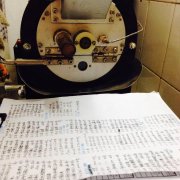
What is the content of espresso? What kind of coffee has the highest caffeine content?
How much is it? Depending on your body's metabolism, adults weighing 70kg normally drink less than 500mg a day, and it is recommended that you consume about 300-400mg of 4-6 cups of coffee a day. How much is too much? It depends on how fast your body metabolises caffeine, but as a general rule: A hig
Seven functions of caffeine are good for human health.
Coffee is a common drink. However, as an important ingredient in coffee, how much do you know about caffeine? The American magazine Women's Health recently published an article about 7 things you don't know about caffeine. 1. Caffeine is refreshing and has an immediate effect. Caffeine can easily cross the blood-brain barrier and quickly stimulate the central nervous system. You will feel refreshed immediately after consuming caffeine, 30: 60.

7 things you don't know about caffeine
Many people love to drink and have heard of the advantages and disadvantages of caffeine in coffee, but that's not necessarily all you know about caffeine. Coffee is a common drink. However, as an important ingredient in coffee, how much do you know about caffeine? Caffeine is good for both short-term and long-term memory. Early studies have found that caffeine contributes to short-term memory

Seven facts you don't know about caffeine
Coffee is a common drink. However, as an important ingredient in coffee, how much do you know about caffeine? The American magazine Women's Health recently published an article about 7 things you don't know about caffeine. 1. Caffeine is good for both short-term and long-term memory. Early studies have found that caffeine is good for short-term memory, while recent studies have found that caffeine is also good for long-term memory

What are the benefits of coffee for workers?
Many workers who work in the office are tired because they work too long hours, and at the same time they don't have much time for outdoor sports and relaxation. If you can have a cup of coffee at this time, what good will it do to the health of the workers? If you are busy with your work, you will be extremely tired. For most workers, office life makes them feel more depressed and bored. And adjust

What are the benefits of coffee to workers?
Many workers who work in the office are tired because they work too long hours, and at the same time they don't have much time for outdoor sports and relaxation. If you can have a cup of coffee at this time, what good will it do to the health of the workers? If you are busy with your work, you will be extremely tired. For most workers, office life makes them feel more depressed and bored. And adjust
Seven things you don't know about caffeine
Many people love to drink and have heard of the advantages and disadvantages of caffeine in coffee, but that's not necessarily all you know about caffeine. Coffee is a common drink. However, as an important ingredient in coffee, how much do you know about caffeine? Caffeine is good for both short-term and long-term memory. Early studies have found that caffeine contributes to short-term memory

Caffeine can improve the performance of athletes, but don't overdo it.
Italian driver VincenzoNibali won the race at the Tour de France, which ended on Sunday, after which the organizing committee tested VincenzoNibali for enhanced athletic drugs (stimulants). VincenzoNibali and his teammates can choose to drink a few cups of coffee or cans of Red Bull before the game, because caffeine is not violated by the World Anti-Doping Organization.
Seven facts about caffeine. What is caffeine? Is caffeine good or bad for your health?
1. Caffeine is good for both short-term and long-term memory. Earlier studies have found that caffeine is good for short-term memory, while recent studies have found that caffeine is also good for long-term memory. Dr. Jacqueline London, senior dietitian at Mount Sinai Hospital in New York, said eating 300 to 400 milligrams of caffeine a day can help prevent cognitive decline and prevent Alzheimer's disease. two。 Caffeine can be extracted.
Drinking coffee can relieve muscle pain
Drinking coffee can relieve muscle pain. If you want to relieve muscle soreness after intense exercise or fitness, you may want to have a cup of coffee. Young people who absorb a certain amount of caffeine have less muscle soreness after intense cycling exercise, a new study has found. The theoretical basis of this study is that caffeine can control muscles by blocking the activity of adenosine.

Seven facts about caffeine, seven things you don't know about caffeine.
Coffee is a common drink. However, as an important ingredient in coffee, how much do you know about caffeine? The American magazine Women's Health recently published an article about 7 things you don't know about caffeine. 1. Caffeine is good for both short-term and long-term memory. Early studies have found that caffeine is good for short-term memory, while recent studies have found that caffeine is also good for long-term memory

About caffeine caffeine is good for both short-term and long-term memory
1. Caffeine is good for both short-term and long-term memory. Earlier studies have found that caffeine is good for short-term memory, while recent studies have found that caffeine is also good for long-term memory. Dr. Jacqueline London, senior dietitian at Mount Sinai Hospital in New York, said eating 300 to 400 milligrams of caffeine a day can help prevent cognitive decline and prevent Alzheimer's disease. two。 Caffeine can be extracted.

Can coffee help you lose weight? the efficacy of coffee
First, coffee weight loss effect 1, caffeine can accelerate the decomposition of fat after coffee is absorbed by the human body, it can accelerate the decomposition of fat, thereby increasing the content of fatty acids in the blood. Once the concentration of fatty acids in the blood increases, the fatty acids are absorbed by the muscles through the blood vessels and consumed in the form of energy. 2. Coffee stimulates the movement of large intestine. Scientists' experiments show that
Research on boutique coffee shows that caffeine can reduce soreness after fitness
Robert Motel, a professor at the University of Illinois, has been studying the relationship between caffeine and exercise for seven years. He found that caffeine affects the parts of the brain and spinal cord responsible for dealing with pain, so he speculates that it can reduce pain caused by exercise. To prove this theory, Myrtle and the researchers organized experiments. They divided 25 healthy men in their 20s

Do you feel pain after exercise? Have a cup of coffee
Drinking coffee can help many people relieve physical pain caused by excessive exercise, according to a study. The study found that consuming the right amount of caffeine is basically equivalent to drinking two cups of coffee, which can reduce muscle soreness by 48%. However, researchers at the University of Georgia warn that the findings may not apply to people who consume caffeine regularly because